For most companies weighing a Tier-2 location, the deciding question has never really been cost. It has been talent: can we hire here, and will the people we hire actually move? The Mysuru Cluster Talent Report, prepared by talent intelligence firm Xpheno in partnership with the Karnataka Digital Economy Mission (KDEM) and released in July 2026, offers the clearest answer yet.
The report found that 44,600 professionals across India expressed interest in relocating to Mysuru, against roughly 16,000 professionals within the city looking for opportunities elsewhere. That is close to a three-to-one ratio of inbound to outbound interest, a reversal of the brain-drain pattern usually assumed of cities outside a state capital.
Key figures at a glance
| Metric | Finding |
|---|---|
| Willing to relocate to Mysuru | 44,600 professionals |
| Seeking opportunities outside Mysuru | ~16,000 professionals |
| Active white-collar professionals | ~3 lakh (300,000) |
| Experienced professionals | ~90,000 |
| Employed in IT & ITeS | 20,000+ |
| Engineering and IT roles combined | 23,000+ jobs |
| Top source cities (69% of interest) | Hyderabad, Chennai, Bengaluru, Mangaluru, Delhi |
| Rank within Karnataka | Second-largest tech talent ecosystem after Bengaluru |
A talent base deeper than the headline suggests
The relocation figure is the striking number, but the existing base matters more for hiring plans. The Mysuru cluster holds close to 3 lakh active white-collar professionals, of whom around 90,000 are experienced. That makes it Karnataka's second-largest technology talent ecosystem after Bengaluru.
The experience mix is also more balanced than many Tier-2 markets. About 46% of the experienced workforce has up to six years of experience, while 54% sits at mid- and senior levels. For an employer, that second figure is the important one: it is the difference between a location where you can staff delivery teams and one where you can also find the people to lead them. Programming, business analytics and database management are the dominant skill clusters.
Where the incoming talent would come from
Roughly 69% of prospective relocations are expected from Hyderabad, Chennai, Bengaluru, Mangaluru and Delhi. The composition is worth noting. These are not people leaving smaller towns for a bigger one; they are professionals already working in established technology markets who are prepared to move to Mysuru. Bengaluru's presence on that list, in particular, speaks to the cost-of-living and commute pressures that have made the capital harder to live in even as it remains the country's largest tech employer.
The policy backdrop: Beyond Bengaluru
The findings land as Karnataka accelerates its Beyond Bengaluru strategy, which positions Mysuru as a destination for Global Capability Centres (GCCs), electronics manufacturing, engineering, artificial intelligence and research-led industries. Supporting initiatives include the LEAP and NIPUNA programmes, startup support and Global Technology Centres, with the NIPUNA demand-driven skilling programme having trained around 6,000 candidates with industry participation from firms including Capgemini.
Industry engagement has grown alongside it. More than 200 CEOs and CXOs took part in the Beyond Bengaluru Dialogue held in the city. Dr Manjula N., IAS, Secretary of the Department of Electronics, Information Technology, Biotechnology and Science & Technology, noted that participation came substantially from outside the city and the state, describing it as a reflection of growing confidence in Mysuru's investment potential.
What this changes for employers evaluating Mysuru
Talent risk has been the standard objection to a Mysuru location, and it has usually been raised before anyone looked at a building. This data addresses it directly. A city with roughly 90,000 experienced professionals, a majority of them at mid or senior level, and a net inflow of relocation interest is a city where a delivery centre, GCC or engineering team can realistically be staffed and then grown.
What it does is move the constraint. When hiring stops being the binding question, the practical one becomes whether there is Grade-A, fit-out-ready space with the power and floor-load characteristics that technology operations need, and whether it can be occupied on the timeline the business case assumes. Talent availability and building readiness have to line up; a strong hiring market does not help a team that has nowhere to sit.
- Hiring feasibility: a mid- and senior-heavy experienced pool supports leadership hiring locally, not just entry-level recruitment.
- Relocation acceptance: net inbound interest reduces the risk that key transfers decline the move.
- Sector fit: policy focus on GCCs, engineering, AI and research aligns with the roles most companies are placing outside metros.
- The remaining variable: confirmed floor plates, connected power and fit-out readiness now govern how fast a plan can be executed.
Where Renaissance Firstface fits
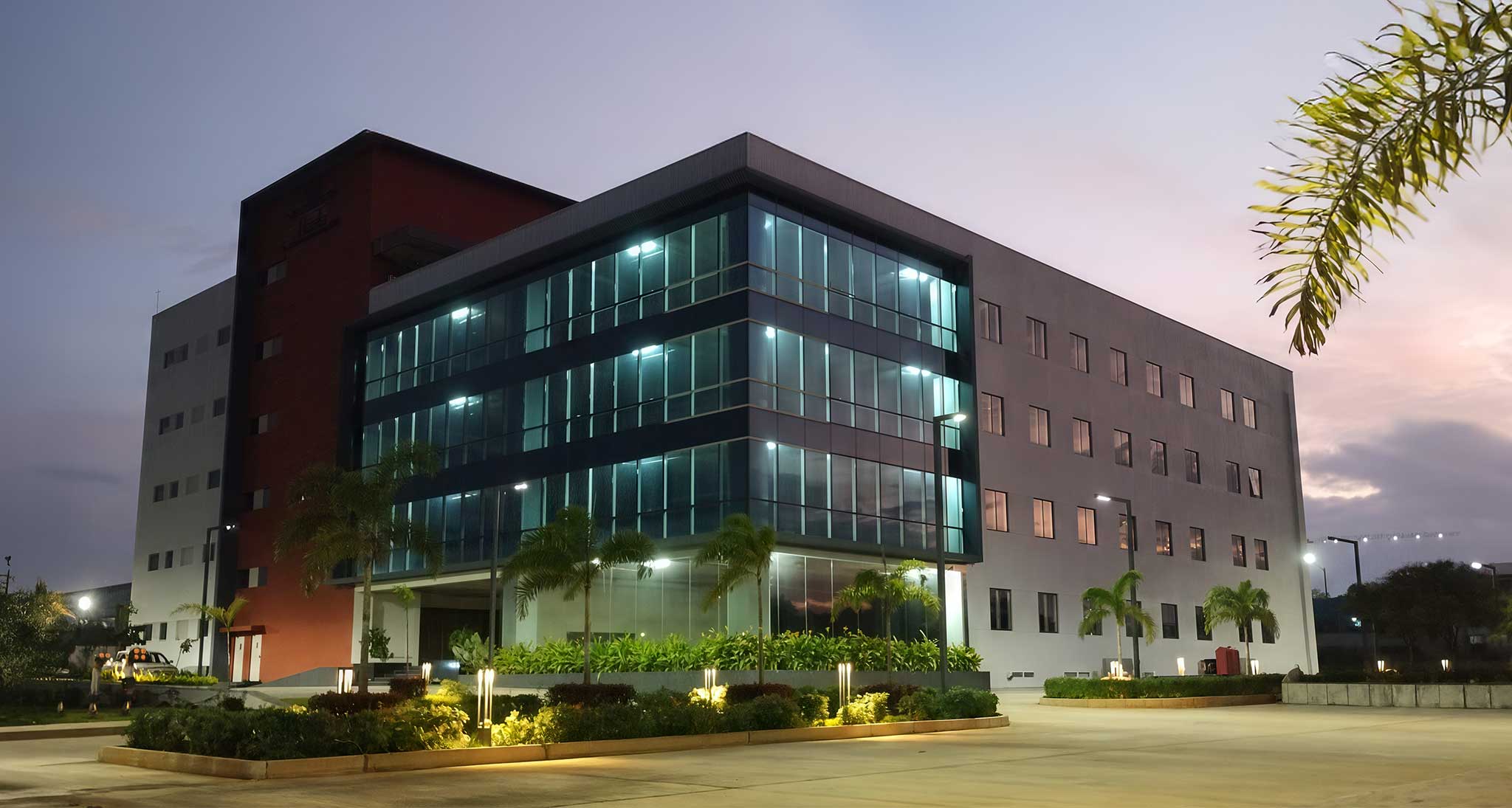
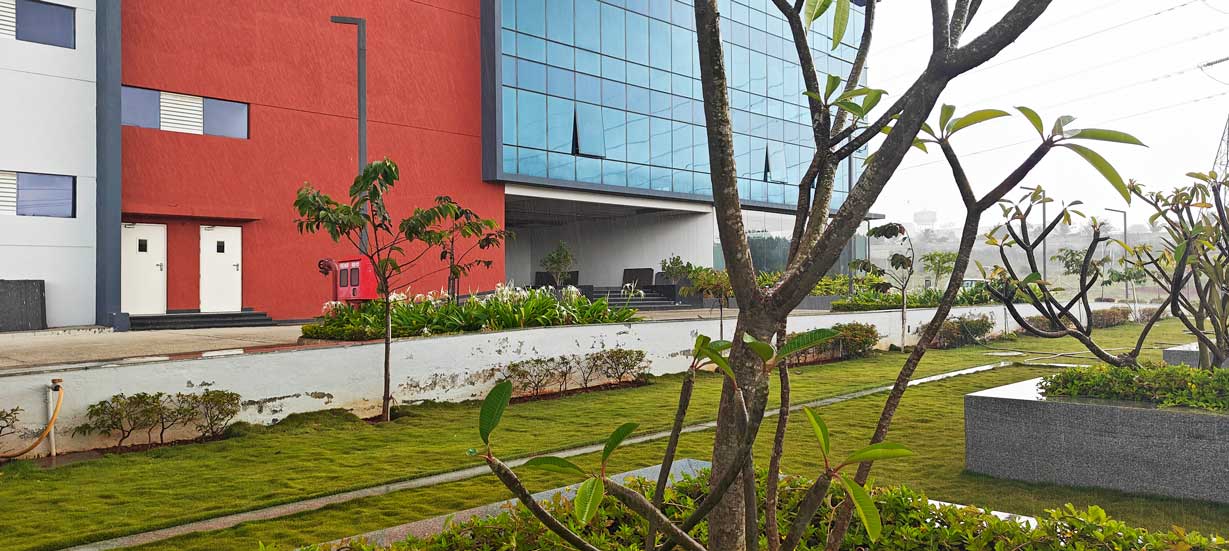
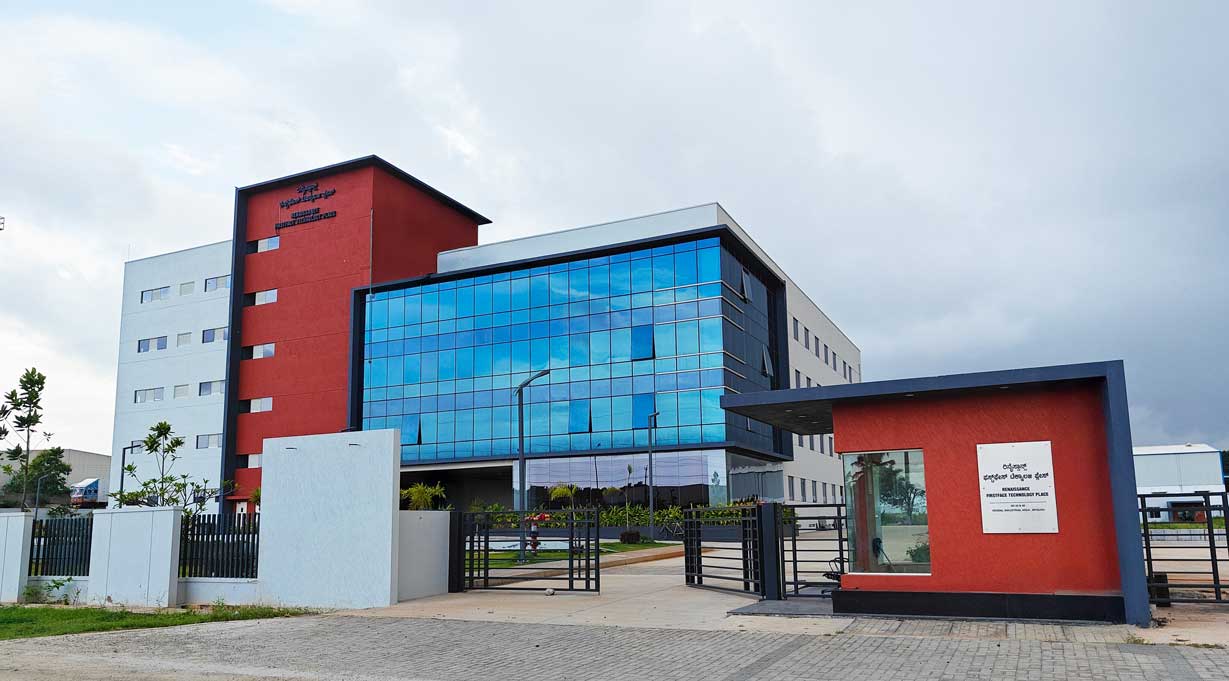
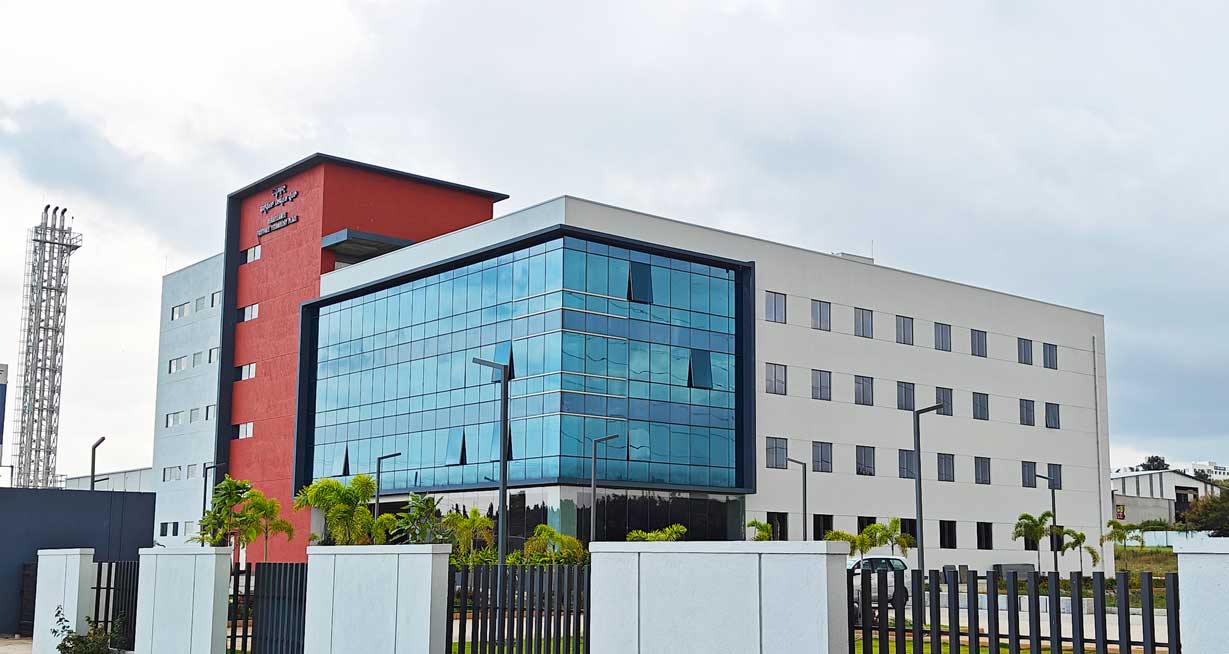
Renaissance Firstface Technology Place was planned for exactly this category of requirement. Block A is ready for fit-outs with approximately 1.2 lakh sq ft of leasable IT space and typical floor plates of around 22,000 sq ft, supported by 1000 KVA of connected power and floors engineered for higher loads, including data-centre requirements. The wider development can scale to approximately 3 lakh sq ft.
For companies acting on the talent picture the KDEM report describes, the useful next step is a technical assessment: match your headcount plan and equipment load against real floor plates, confirm power allocation and fit-out timelines, and work backwards from when the team needs to be operational.
Source
Findings are from the Mysuru Cluster Talent Report by Xpheno in partnership with the Karnataka Digital Economy Mission (KDEM), released 23 July 2026. Reported by Express Computer. Figures are as published; readers should refer to the original report for full methodology.